
Building a smart home can feel overwhelming, especially if you’ve never done it before. This page walks through what working with us typically looks like — from the first conversation to getting your system ready for everyday use.
Every home is different. What follows is a general guide, not a fixed promise.
TL;DR
- We start with a free consultation to understand your home and expectations
- We set up a Home Assistant foundation tailored to your household
- Devices are installed and integrated on a best-effort basis
- Handover comes first; refinements usually happen after living with the system
A Typical Smart Home Project
We usually approach smart home projects in four broad stages. Some homes move through them quickly, others take more time — depending on renovation stage, existing devices, and expectations.
Step 1: Discovery & Consultation
We begin with a free consultation to understand your home and what you’re hoping to achieve.
This conversation usually covers:
- Your daily routines and pain points
- Who lives in the home and how spaces are used
- Whether the project is part of a renovation, move-in, or upgrade
- What you’ve seen or heard about smart homes so far
For confirmed projects, this stage usually goes deeper into renovation planning support, including:
- Device selection guidance based on practical compatibility and long-term usability
- Early wiring requirement discussions with your electrician
- Network and Wi-Fi planning input where needed for smart home stability
At this stage, the focus is reducing downstream rework by aligning technical decisions before installation starts.
We’ll also talk through common questions early, such as:
- What happens if the internet goes down
- Which devices tend to work well together
- Where automation helps — and where it may not add value
The goal here is alignment and expectation-setting, not locking anything in.
Step 2: Base System Setup
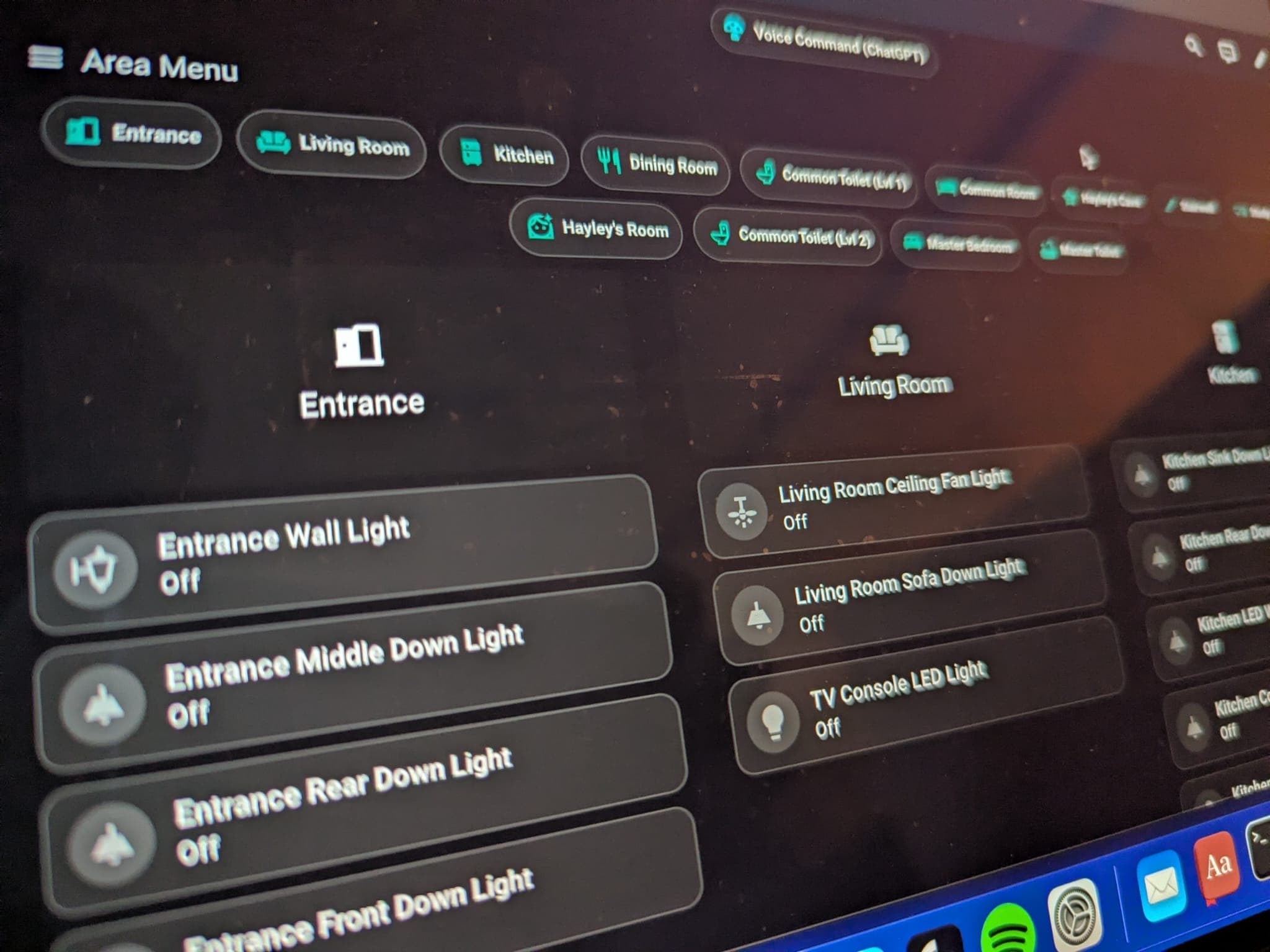 Once there’s a clear direction, we set up the Home Assistant system that acts as the foundation of your smart home.
This typically includes:
- Preparing a dedicated Home Assistant environment
- Structuring rooms, devices, and controls in a logical way
- Creating a clean dashboard that’s usable by the whole household
By this stage, key decisions around device direction, wiring expectations, and control flow are usually already aligned, so implementation is smoother and troubleshooting is reduced.
This base setup is designed to be understandable and adaptable, so changes can be made later without starting from scratch.
Step 3: Installation & Integration
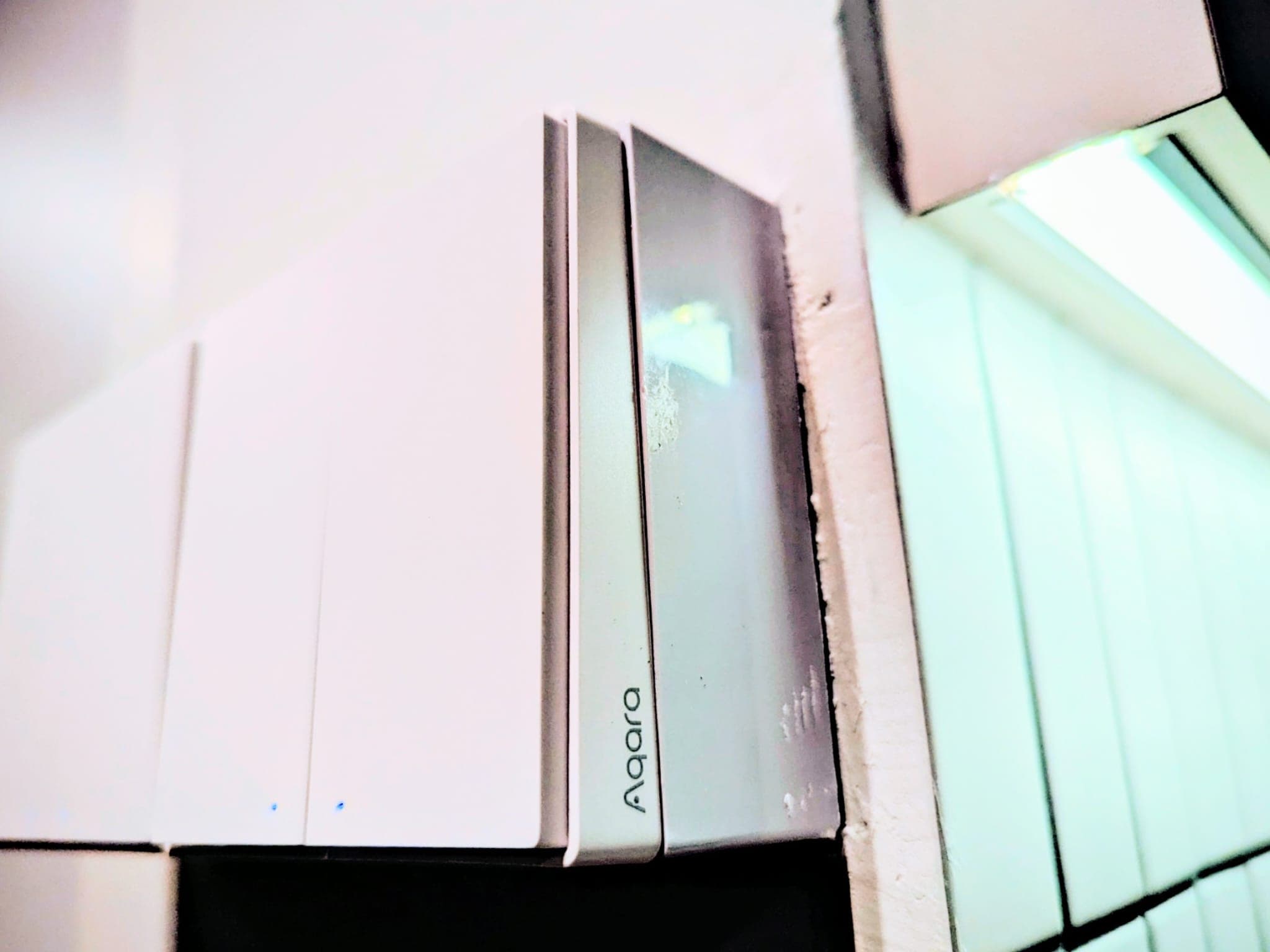 With the foundation in place, we move on to installing and integrating devices.
Depending on the project, this may involve:
- Smart switches, lighting, and sensors
- Curtains, air-conditioning, and climate control
- Presence, safety, or convenience automations
Integration is done on a best-effort basis. Some devices integrate fully, some partially, and some not at all — depending on hardware, firmware, and vendor limitations. We’ll explain these trade-offs before proceeding.
Automations are configured, tested, and adjusted with real-world use in mind.
Step 4: Handover & Next Steps
Once the system is in place, we walk you through how it works.
This usually includes:
- Explaining how to use the dashboard and controls
- Showing how automations behave day to day
- Highlighting what can be adjusted later on
At this stage, many homeowners choose to live with the system for a while before deciding on refinements or additions. That’s completely normal.
Every Home Is Different
No two smart homes turn out exactly the same.
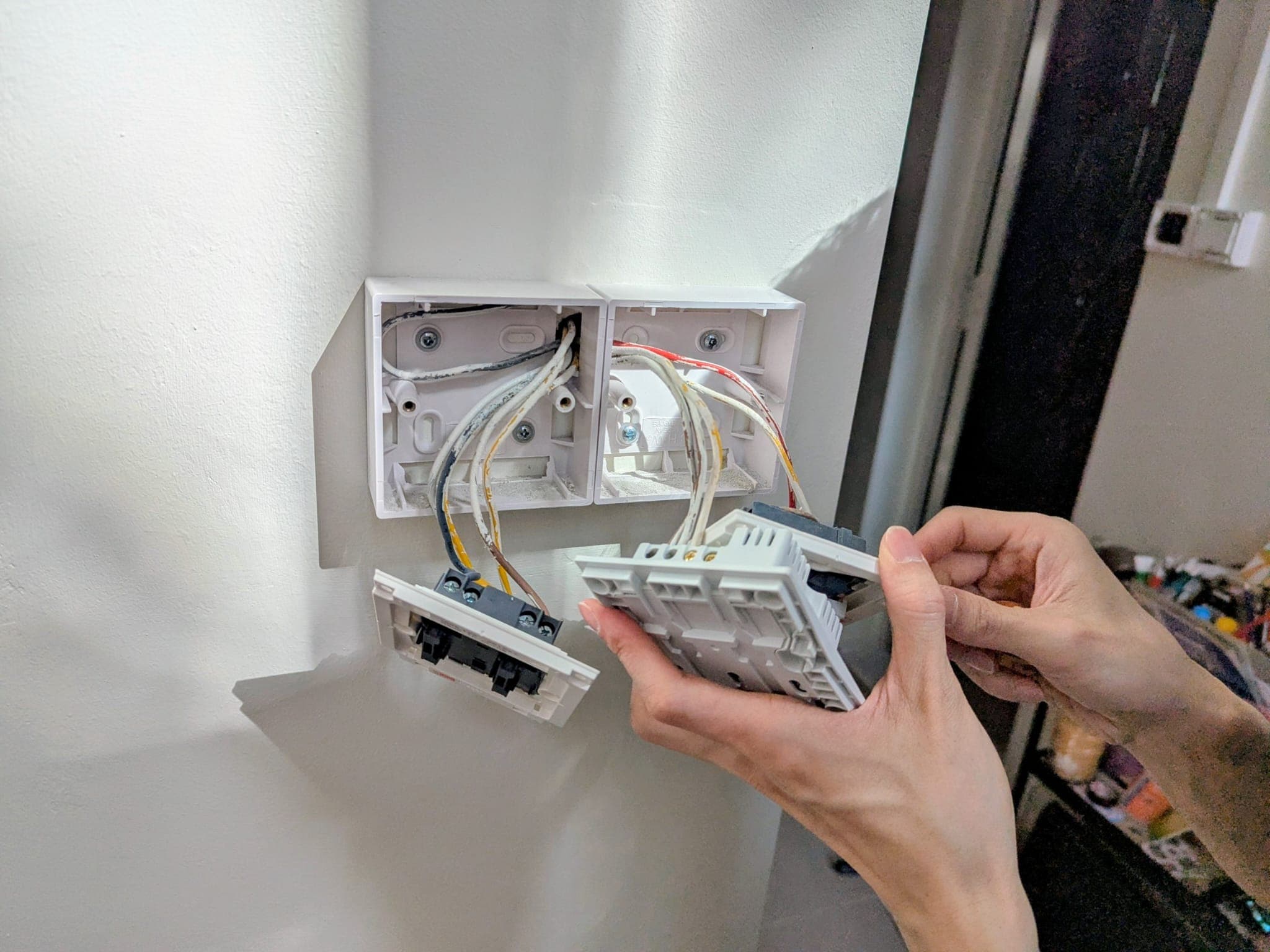 Factors that affect outcomes include:
- Existing wiring and infrastructure
- Device availability and compatibility
- Renovation timelines
- How comfortable the household is with technology
Some automations work perfectly on the first try. Others improve over time as you see how the home is actually used. This is part of the process, not a failure.
Where to Go Next
If you’d like to understand what we can help with in more detail, visit our Services page. For cost considerations, you can view our Pricing. To learn more about the platform, see What Is Home Assistant, or contact us.
If you’re still unsure, the consultation exists to help you explore options before committing.
Ready to get started?
Let us help you build a smart home that actually works.